

Welcome to Central Texas, and Its Pests
Moving into a new home in Central Texas is exciting, but if you’ve relocated from a different region, you may quickly discover that the pest landscape here is unlike what you’re used to.
Fire ants, scorpions, termites, mosquitoes that seem to appear overnight, and cockroaches that are large enough to make you do a double take are all part of life in this part of Texas.
This guide is designed to help new homeowners understand the pest challenges they’re likely to face and take proactive steps to protect their new home from the start.
Get a Pest Inspection Before You Move In
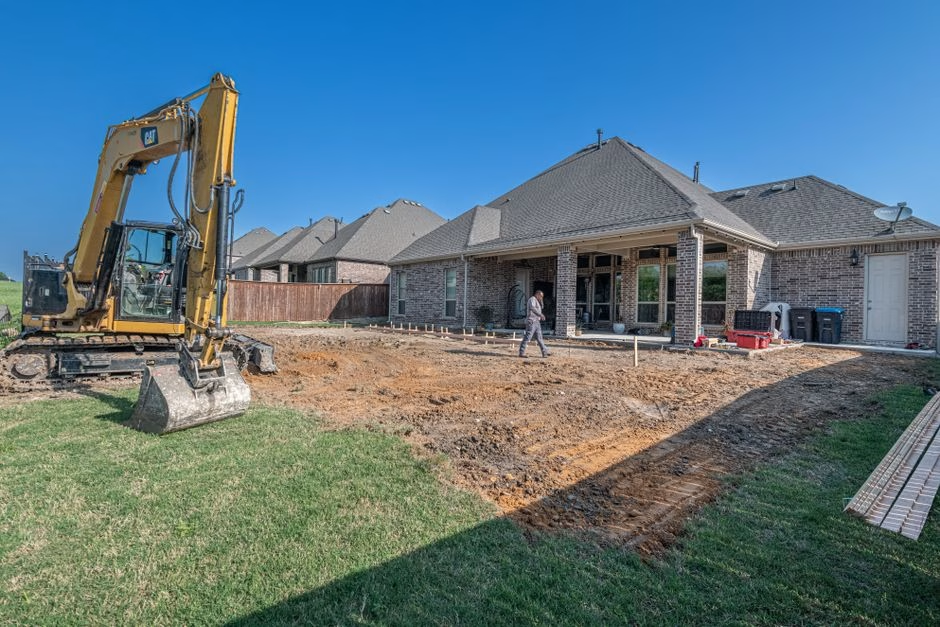
Before settling into a new home, schedule a professional pest inspection.
A good pest inspection goes beyond what a standard real estate inspection covers, it looks specifically for active pest infestations, signs of previous pest damage, conducive conditions, and areas where pests are likely to enter.
The inspection should cover termites, rodents, cockroaches, and other common pests, and give you a clear picture of what pest-related issues, if any, you’re inheriting with the property.
Understand termite protection
Texas has significant subterranean termite populations, and every home in Central Texas should have some form of termite protection in place.
If you’re buying an existing home, find out when it was last treated for termites and what type of treatment was used.
Liquid soil termiticide treatments have a limited active lifespan (typically 5 to 10 years depending on the product).
If there’s no record of recent termite treatment, consider having an inspection or preventive treatment applied before moving in.
Establish Perimeter Pest Control Early
Don’t wait until you have an infestation to start pest control.
Establishing perimeter pest control service from the beginning, before pests become established inside your home, is far more effective and less expensive than treating an active infestation.
A quarterly general pest control program addresses the most common pests throughout the year and keeps your home’s perimeter treated between visits.
Think of it as pest control insurance: regular, consistent service prevents the larger problems that require more intensive (and expensive) treatment to resolve.
Address Moisture Issues Immediately
Moisture is the single greatest attractor of pests to and into your home.
Fix any leaking pipes, faucets, or roof areas immediately.
Ensure gutters and downspouts are directing water away from your foundation.
Check that your attic and crawl spaces (if applicable) have adequate ventilation.
Fix low spots in your yard where water pools after rain.
Address any signs of moisture damage in bathrooms or under sinks promptly.
A dry home is far less attractive to cockroaches, silverfish, earwigs, termites, and many other pests.
Seal Your Home Against Pest Entry
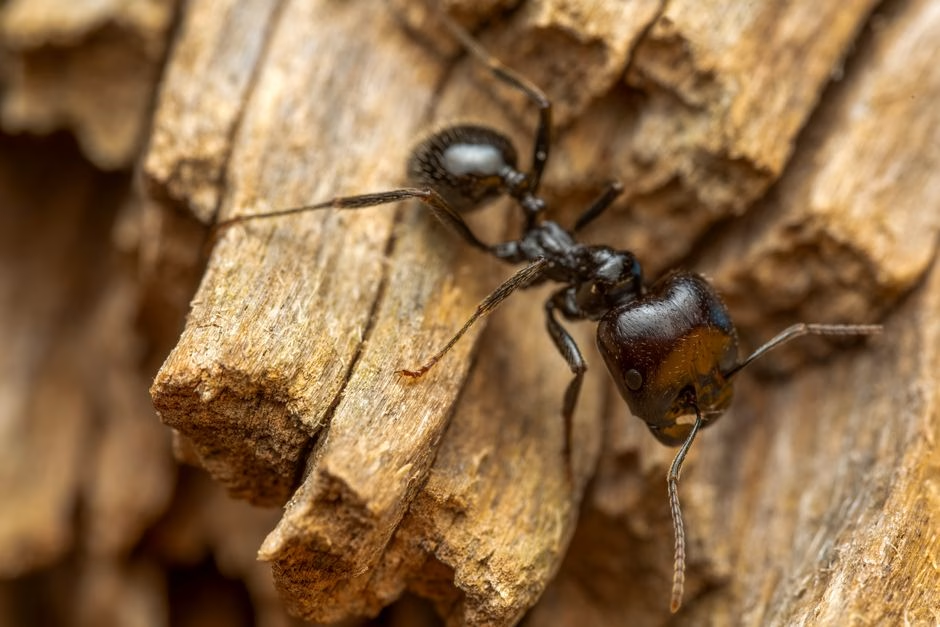
Take time in your first few weeks to do a thorough inspection of your home’s exterior for pest entry points.
Look for gaps around pipes and utility lines, cracks in the foundation, missing or damaged door sweeps, damaged window screens, and openings around eaves and soffits.
Seal anything you find with appropriate materials, caulk for small gaps, expandable foam for larger openings, and hardware cloth or steel wool for openings that need ventilation.
This upfront investment pays dividends in reduced pest pressure for years.
Learn to Identify Your Pest Neighbors
Central Texas is home to a unique assortment of pests and wildlife.
Spending a little time learning to identify the most common ones, fire ants, striped bark scorpions, black widows, brown recluses, roof rats, American and German cockroaches, subterranean termites, will help you respond appropriately when you encounter them.
Paladin Pest Control: Your Local Partner
Paladin Pest Control helps new homeowners throughout Buda, Kyle, San Marcos, and Central Texas get started on the right foot with professional pest control.
We offer new homeowner inspections, one-time initial treatments, and ongoing quarterly service programs.
We’ll walk you through exactly what pest challenges your specific property faces and recommend an approach that fits your needs and budget.
Contact us when you’re ready to protect your new home.